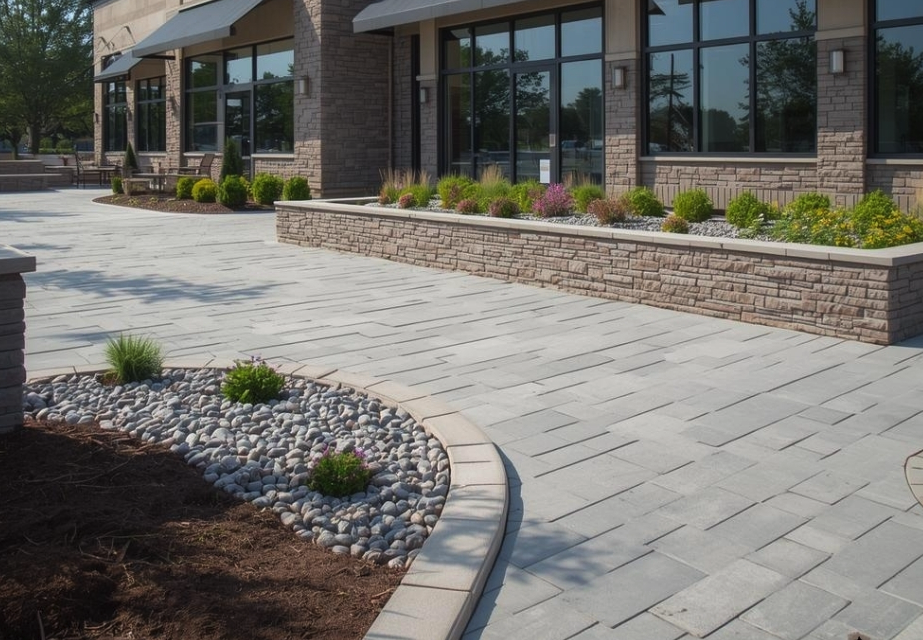
Choosing the Right Plants for a Low-Maintenance Landscape Apr 02, 2026
The first step in choosing low-maintenance plants is understanding your local climate and soil conditions. Native plants, which have evolved to thrive in the region’s climate and soil, are often the most sustainable option. They generally need less water, fertilizer, and overall care since they are already adapted to the local environment. For instance, in New England, where Roberts Property Management LLC is located, species like the New England Aster or Smooth Hydrangea are both beautiful and require minimal nurturing once established.
Another key consideration is the plant's growth habit. Opt for perennials over annuals as they return year after year, minimizing the need for replanting. Perennials such as Coneflowers and Black-eyed Susans not only attract local pollinators but also add vibrant color with little effort on your part after the initial planting. Choosing evergreens can also contribute to a landscape that remains visually appealing throughout all seasons while reducing the need for seasonal replanting.
Incorporating drought-tolerant plants can significantly reduce the watering needs of your landscape. Sedum, Lavender, and Russian Sage are excellent choices that endure dry conditions once established, ensuring that even during the hot summer months, your garden remains lush without excessive watering.
Ground covers like creeping thyme or sweet woodruff can replace traditional turfgrass, reducing the time you spend mowing and maintaining a lawn. These plants not only suppress weeds but also improve soil quality. Furthermore, they spread quickly and provide a lush carpet of greenery, increasing the aesthetic value of your landscape.
Mulching is another strategy that complements low-maintenance gardening. By choosing plants that benefit from a healthy layer of mulch around them, such as hostas or ferns, you create a barrier that retains moisture and reduces weed growth. This simple practice further reduces the time spent on upkeep.
Finally, when designing a low-maintenance landscape, think about smart layering and grouping plants with similar light, soil, and water needs. This strategy simplifies care and ensures that each plant thrives in its designated space. Arrange taller plants at the back or center of your landscape beds with shorter ones in front to maximize light exposure and display all plants to their potential.
At Roberts Property Management LLC, we pride ourselves on helping clients achieve landscapes that require less effort to maintain. By selecting the right plants and following these guidelines, you can enjoy a beautiful outdoor space that allows you to focus on more leisurely activities instead of constant upkeep.
In conclusion, creating a low-maintenance landscape involves foresight in plant selection and strategic landscape design. By selecting native, drought-resistant, and easy-care perennials, you can enjoy a vibrant garden year-round with minimal effort. Whether you’re redesigning an existing yard or starting from scratch, partnering with Roberts Property Management LLC can turn your low-maintenance landscape aspirations into a reality.
/filters:no_upscale()/filters:format(webp)/media/a8b81ab1-0d1b-4f10-b355-7bac8d50a0b0.png)