Sustainable Landscaping: Eco-Friendly Approaches to Modern Gardens Apr 18, 2026
Sustainable landscaping begins with thoughtful planning. The goal is to create a harmonious balance between your garden and the surrounding environment. One primary consideration is the selection of native plants. Native plants are well-adapted to the local climate and soil conditions, requiring less water and fewer chemical inputs. This practice not only conserves water but also attracts and supports local wildlife, promoting biodiversity and a thriving ecosystem in your garden.
Another vital approach in sustainable landscaping is efficient water management. This involves techniques such as drip irrigation and rainwater harvesting. Drip irrigation delivers water directly to the plant roots, minimizing water waste. It is an excellent method for keeping your plants hydrated while conserving this precious resource. Rainwater harvesting involves collecting rainwater from roofs via gutters into storage tanks for future use. This sustainable method reduces reliance on municipal water supplies and keeps your garden healthy during dry spells.
When it comes to feeding your plants, organic mulching is a sustainable choice. Mulch retains soil moisture, suppresses weeds, and gradually enriches the soil as it decomposes. By choosing organic materials like wood chips or straw, you improve soil health naturally and reduce the need for chemical fertilizers, which can be harmful to the environment.
It's also important to think about energy efficiency in your garden design. This can be achieved through the strategic placement of trees and shrubs. For instance, positioning trees to provide shade in summer and allow sunlight during winter can reduce the need for artificial heating and cooling in your home, enhancing energy efficiency.
Furthermore, consider creating habitat areas within your garden. These can include birdhouses, bat boxes, and butterfly gardens. Not only do they support wildlife, but they also add an aesthetic and lively element to your garden, making it a delightful space for observation and enjoyment.
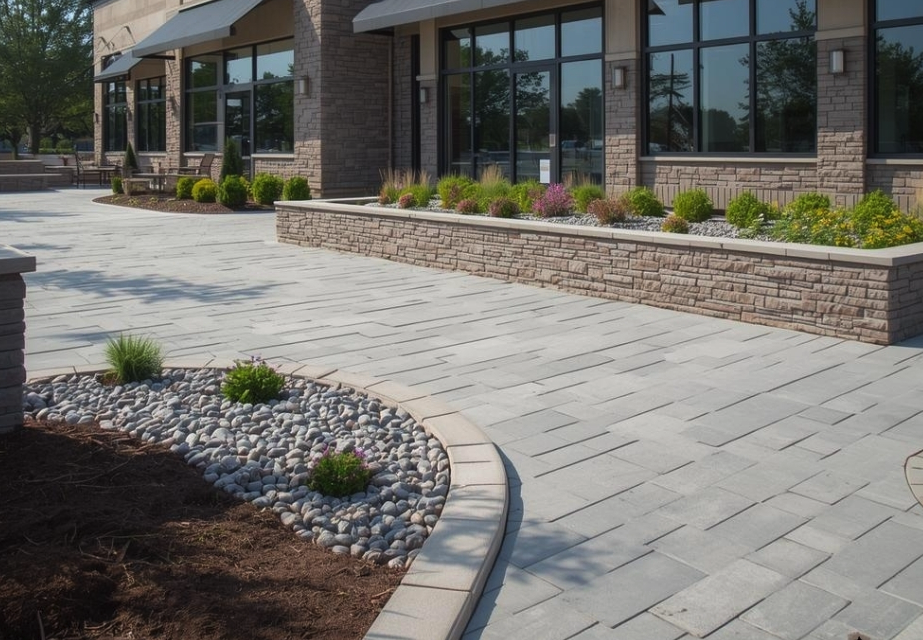
As you expand your landscape design, incorporating hardscape elements can also be sustainable. The use of permeable materials such as pavers or gravel for patios and walkways allows rainwater to penetrate the ground, reducing runoff and replenishing groundwater supplies.
Implementing sustainable landscaping offers numerous benefits. Besides enhancing the aesthetic appeal of your property, it contributes to environmental health, conserves resources, and can even provide long-term savings. Moreover, these eco-friendly approaches reflect a commitment to sustainability that resonates with an increasing number of individuals who are conscious of their environmental impact.
At Roberts Property Management LLC, we are proud to offer sustainable landscaping solutions tailored to the unique needs and desires of our clients. Our expert team is equipped to guide you in transforming your garden into an eco-friendly paradise. By choosing sustainable landscaping, you are not just creating a beautiful outdoor space; you are contributing to a healthier planet.
In conclusion, sustainable landscaping is an evolving art that combines creativity and environmental stewardship. Embracing eco-friendly approaches in your garden means investing in a future where nature and design coalesce in perfect harmony. Whether you're looking to revamp your space or start from scratch, consider making sustainable choices that reflect both beauty and responsibility.
/filters:no_upscale()/filters:format(webp)/media/a8b81ab1-0d1b-4f10-b355-7bac8d50a0b0.png)